Bicycle breakdown – what should you do? The breakdown guide for when you're out and about
The most common bicycle breakdowns and how to fix them
A bike breakdown usually comes out of the blue. Especially on longer rides or remote routes, a flat tyre, a broken chain or a squeaky brake can quickly become a problem. This makes it all the more important to be prepared for common faults and to always carry the essential tools with you. With a small repair kit, many problems can be fixed straight away on the go, ensuring your ride doesn’t end prematurely.
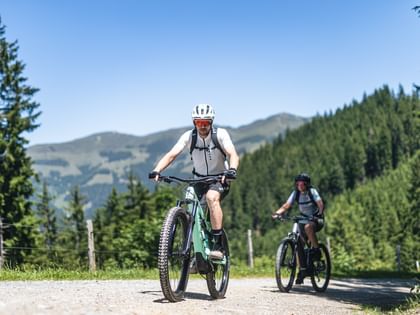
What should you do if your bike breaks down?
If you have a bike breakdown, the first step is to identify the cause. Often, it is a minor fault that can be fixed in just a few simple steps. A flat tyre is the most common cause. However, a loose bolt, poorly adjusted brakes or a broken chain can also make it difficult to continue your journey.
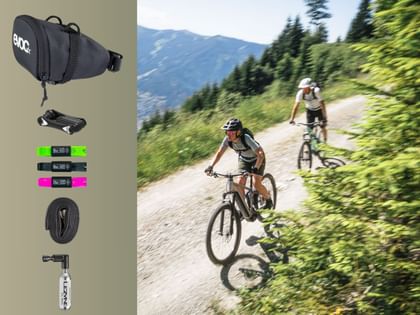
Anyone who cycles regularly should therefore carry a compact bicycle emergency kit with them. This should include a bike multi-tool, a spare inner tube, tyre levers and a pump or a CO₂ cartridge. Tubeless riders will also benefit from sealant or a tyre repair kit.
What equipment should be included in a bicycle emergency kit?
A well-equipped mini repair kit takes up very little space and can save a lot of time in an emergency. At its heart is a bicycle multi-tool, which can be used to tighten or adjust most of the bolts on a bike. The kit is completed by a spare inner tube, tyre levers and a way to inflate the tyres.
No bicycle emergency kit should be without the following items:
- Bicycle multi-tool
- Spare hose
- tyre lever
- Mini pump or CO₂ cartridge
- Tubeless plug kit and sealant for tubeless tyres
- Small gloves or a cleaning cloth
Whether you choose a CO₂ cartridge or a mini-pump comes down to personal preference. CO₂ cartridges allow you to inflate tyres very quickly, whereas a mini-pump can be used indefinitely and is particularly useful on longer rides.
For modern mountain bikes fitted with tubeless tyres, we also recommend carrying sealant or a tubeless repair kit. E-bike riders should ensure their E-bike repair kit for on the go includes the tools suitable for their specific model.
Changing a tyre on the go made easy
A flat tyre doesn’t have to mean the end of your ride. Once the wheel has been removed, take out the damaged inner tube and check the tyre for any foreign objects. You can then fit a new inner tube and re-fit the tyre. Finally, inflate the tyre to the correct pressure using a pump or a CO₂ cartridge.
For minor punctures, a bicycle puncture repair spray can also be helpful. It temporarily seals the hole, often allowing you to continue your journey home or to the nearest repair shop.
What should you do if the chain breaks?
A broken chain often occurs under heavy load. However, with a chain tool and a suitable chain link, the chain can often be repaired right by the side of the road. The damaged link is removed and the chain is then reconnected. If you carry these tools in your bike repair kit , you can continue many rides despite a breakdown.
The disc brake is squeaking – how can I fix the problem?
If the disc brake is squeaking, it is usually not due to a serious fault. Often, the brake caliper is no longer positioned exactly over the centre of the brake disc. In many cases, it is sufficient to slightly loosen the fixing bolts, pull the brake lever and then retighten the bolts. This often realigns the brake caliper automatically.
If the grinding noise persists, it may be caused by a slightly warped brake disc. This should be checked carefully and, if necessary, inspected by a specialist workshop.
Conclusion
The best answer to the question “What should I do if my bike breaks down?” is: be prepared. With a well-equipped bike emergency kit, a bike multi-tool and the essential spare parts, you can fix many faults straight away whilst out and about. If you know the basics of changing a inner tube, repairing a chain and adjusting brakes, you’ll remain mobile even in the event of an unexpected breakdown and can usually continue your ride without a long delay.