All-Mountain Skis Explained: What’s the difference between all-mountain, piste and freeride skis?
Perfectly groomed slopes in the morning, softer snow at midday and increasingly chopped-up runs in the afternoon:
Snow conditions in the mountains are constantly changing. This is exactly where all mountain skis come into their own. They combine the precision and edge grip of piste skis with greater versatility in changing snow conditions.
But what exactly is the difference between all mountain, piste and freeride skis? How do waist width, rocker and turning radius affect performance? And which skis are right for your skiing style? We explain what really matters.
What Are All Mountain Skis?
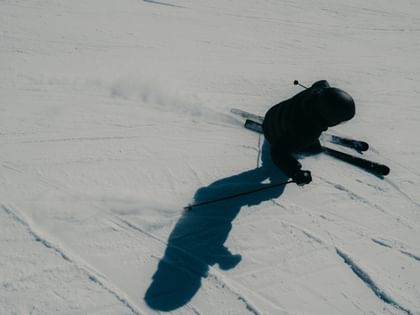
All mountain skis are versatile skis designed to perform in a variety of snow conditions and terrain. Unlike traditional piste skis, which are primarily designed for groomed slopes, all mountain skis offer greater flexibility when conditions change.
However, not all all mountain skis are the same. Some models are more piste-oriented, combining sporty carving performance with additional comfort. Others feature a wider construction, making them suitable for exploring powder and off-piste terrain.
What’s the Difference Between All Mountain, Piste and Freeride Skis?
Piste skis and race carvers are primarily designed for groomed slopes. With a typically narrower waist width of around 65 to 75 mm, they allow quick edge-to-edge transitions and precise carving turns. Sportier models provide excellent stability and direct edge grip at higher speeds.
All mountain skis are designed for greater versatility. Their waist width typically ranges from 75 to 100 mm. Depending on their construction, they perform well on groomed slopes, in chopped-up snow and sometimes off-piste. Piste-oriented models in particular offer an appealing combination of sporty performance and comfort.
Freeride skis are specifically designed for skiing off-piste. With waist widths often ranging from 95 mm to over 120 mm, they provide increased flotation in powder. Their construction and rocker profiles are designed to maintain control in soft and ungroomed snow.
The boundaries between these categories are not always clearly defined. That’s why it’s worth looking beyond waist width and considering the ski’s construction and handling characteristics.
What are the key features of an all-mountain ski?
- Waist width: How wide should your ski be?
The waist width refers to the width of the ski directly beneath the binding. It has a significant influence on how a ski performs on different types of snow.
Narrower skis can generally be moved from edge to edge more quickly and are particularly suitable for precise turns on hard-packed slopes. A wider waist, on the other hand, offers more contact with the snow and provides better float in soft snow. -
Rocker profile: What does ‘rocker’ mean in relation to skis?
The rocker profile describes the upward curve of a ski at the tip and, where applicable, at the tail. It affects how easily the ski turns and how it performs in different snow conditions.With a classic camber profile, the ski has a pre-tension that enhances edge grip and dynamic performance when carving. A tip rocker, with the tip of the ski curving upwards early on, makes it easier to initiate turns and improves performance in soft snow.
Many all-mountain skis combine camber and rocker to offer precision on the piste alongside versatility in changing conditions.
-
Radius: Short or long turns?
The radius of a ski determines the type of turn its sidecut is designed to facilitate. A small radius is best suited to short, fast turns, whilst a larger radius is designed more for long, sporty carving turns. -
Construction: What role do the wood core, Titanal and damping play?
A wood core plays a key role in determining how flexible, dynamic and responsive a ski feels to ride. Additional Titanal inserts can improve stability, torsional stiffness and smoothness of ride. Such constructions are frequently used, particularly in performance skis.Modern damping technologies also reduce annoying vibrations and jolts. This is particularly noticeable on rough slopes, when the snow becomes more uneven in the afternoon.
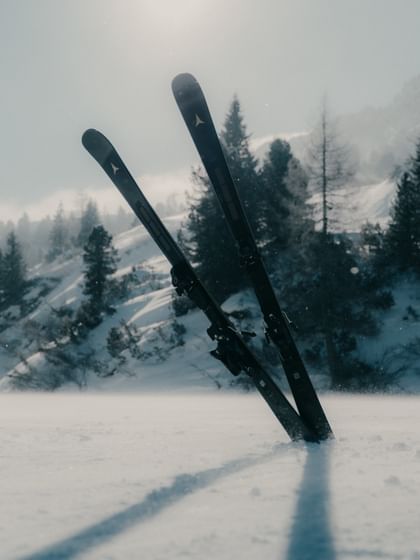
Drei Atomic Ski für unterschiedliche Fahrstile
Ob vielseitiger Pistengenuss, sportliche Carving-Schwünge oder Ausflüge ins Gelände: Atomic bietet unterschiedliche Skikonzepte für verschiedene Anforderungen. Drei Modelle zeigen, wie sich die jeweiligen Einsatzbereiche unterscheiden.
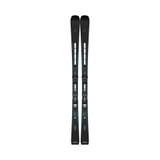
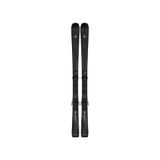
Atomic Cloud Q14 RVSK Black + MI 12 GW: Versatility for Every Day on the Slopes
Whether it’s freshly groomed slopes in the morning or soft, rutted snow in the afternoon: the Atomic Cloud Q14 has been designed for female skiers who want to be able to rely on their skis in a variety of slope conditions.
Its wider centre width enhances stability and riding comfort, whilst the integrated Revoshock technology absorbs disruptive bumps. The result is a smooth, controlled riding experience from the first to the last turn.
The Cloud Q14 is therefore an interesting choice for female skiers looking for a versatile, piste-oriented ski offering a balanced combination of comfort and sporty handling.
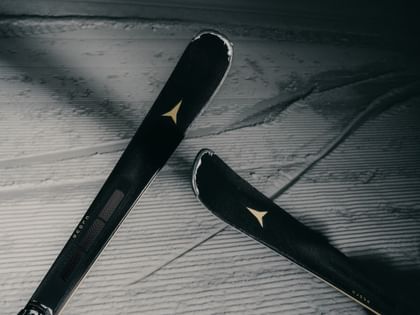
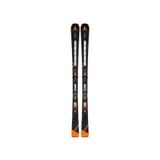
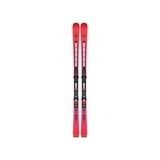
Atomic Redster Q9 RVSK S + I 12 GW: Racing DNA Meets Versatility
Sporty performance and changing piste conditions don’t have to be mutually exclusive. The Atomic Redster Q9 combines the precision and power of a race-inspired ski with a wider waist and slightly softer flex.
Revoshock technology provides a smooth and stable ride, while Carbon Boost strategically stiffens the ski to deliver powerful rebound when exiting turns.
This makes the Redster Q9 ideal for ambitious skiers who love dynamic carving and want sporty performance even when piste conditions change throughout the day.
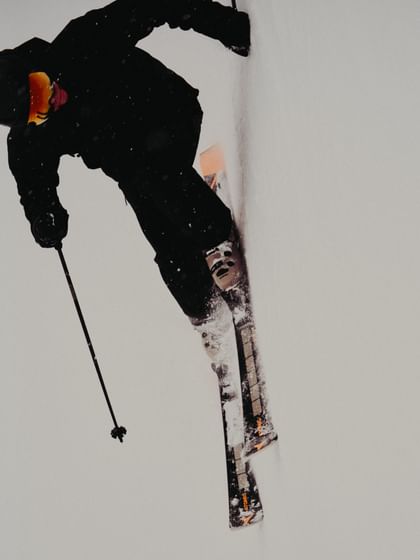
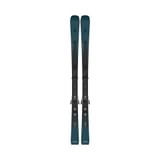
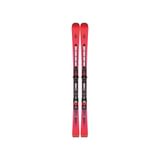
Atomic Bent 100: More freedom off-piste
For anyone who doesn’t want to limit themselves to groomed slopes, the Atomic Bent 100 is an interesting choice.
With a waist width of 100 mm, it is better suited to varied terrain and softer snow. Its wider design provides better float in deep snow and offers more options away from groomed runs.
This means that, compared to the two Atomic models designed for the piste, the Bent 100 is geared towards a much more freeride-oriented range of use. Ideal for anyone who likes to switch between the piste and off-piste terrain.
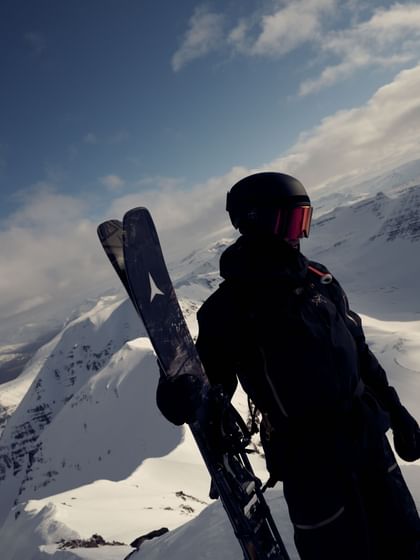
All Mountain Skis for Beginners: What Should You Look For?
If you’re still developing your skiing style, a versatile ski can be an appealing choice. However, not every all mountain ski is automatically suitable for beginners.
Besides waist width, important factors include ski length, stiffness and weight. Beginners often benefit from forgiving models that are easy to control and turn.
Very sporty all mountain skis, on the other hand, may require more strength and precise technique. That’s why professional advice can make a real difference when choosing the right model.
Conclusion: Which Skis Are Right for You?
Whether you love carving on groomed slopes or exploring varied terrain, choosing the right skis depends on your skiing style, ability and preferred conditions. While piste skis offer precision and excellent edge grip, all mountain skis provide greater versatility. Freeride skis are ideal for those who enjoy skiing beyond groomed slopes. At Bründl Sports, our experts will help you find the perfect skis for your next mountain adventures.